24 Jun Deep Resting Squat
Posted at 11:54h
in
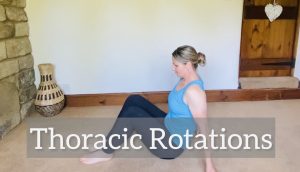
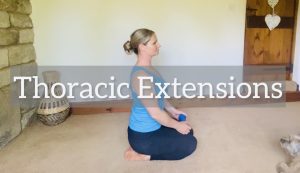
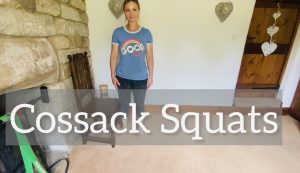
Start by trying all the mobility exercises in the ‘Green’ section — these are designed for beginners. If any of them feel challenging, aim to do those daily until they become easy. You can either go through all the exercises in one session or spread them out throughout your day — whatever suits your schedule best.
In the first couple of weeks, you may notice some general soreness — this is completely normal as your body starts moving through its full range of motion. Stick with it, and after a few weeks, you’ll begin to feel the difference: your body will move more freely and feel like a well-oiled machine!
Take it slow to start with. Any discomfort should feel like a dull, achy soreness — not sharp or nerve-like pain. If you experience anything more intense or unusual, ease off and adjust accordingly.
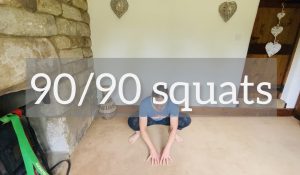
Deep squats are one of the best exercises for improving mobility, especially in the hips, ankles, knees, and lower back. Here’s why deep squats are so effective for mobility:
⸻
1. Hip Mobility
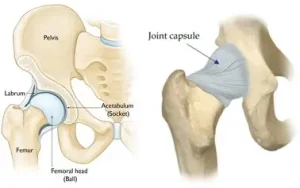
• Deep squatting forces your hips into full flexion and external rotation.
• It helps lengthen tight hip flexors and strengthens the glutes and hip stabilizers.
• This improves range of motion and reduces stiffness.
⸻
2. Ankle Dorsiflexion
• To perform a proper deep squat, your knees must travel over your toes, which requires ankle dorsiflexion.
• Practicing deep squats consistently helps increase this range, improving walking, running, and jumping mechanics.
⸻
3. Knee Health & Range
• Controlled deep squatting strengthens the muscles and ligaments around the knee joint through a full range.
• Contrary to outdated advice, when done properly, deep squats can protect the knees, not damage them.
⸻
4. Spinal Alignment & Core Stability
• Maintaining a neutral spine during a deep squat trains core control and spinal mobility.
• Helps reduce lower back pain and improve posture.
⸻
5. Functional Movement Pattern
• Deep squatting is a natural human movement—watch a toddler play and you’ll see it.
• Relearning this movement restores joint function, coordination, and balance.
⸻
6. Pelvic Floor and Diaphragm Coordination
• Deep squats encourage proper breathing and pelvic floor engagement, which supports internal stability and can improve breathing and posture.