24 Jun Hanging
Posted at 14:09h
in
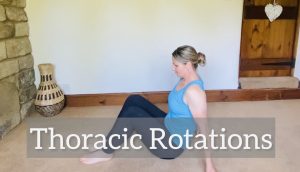
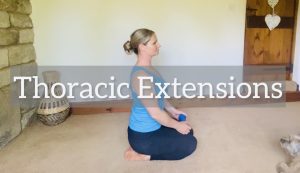
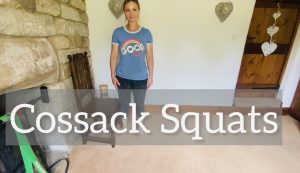
Start by trying all the mobility exercises in the ‘Green’ section — these are designed for beginners. If any of them feel challenging, aim to do those daily until they become easy. You can either go through all the exercises in one session or spread them out throughout your day — whatever suits your schedule best.
In the first couple of weeks, you may notice some general soreness — this is completely normal as your body starts moving through its full range of motion. Stick with it, and after a few weeks, you’ll begin to feel the difference: your body will move more freely and feel like a well-oiled machine!
Take it slow to start with. Any discomfort should feel like a dull, achy soreness — not sharp or nerve-like pain. If you experience anything more intense or unusual, ease off and adjust accordingly.
1. Improves Shoulder Mobility and Health
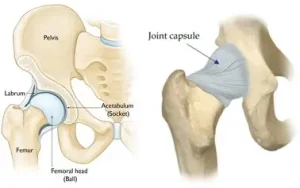
• Hanging passively stretches and opens up the shoulder joint capsule, improving flexion and overhead range of motion.
• Helps re-align the shoulder after years of poor posture, tight pecs, and internal rotation (from sitting, phone use, lifting).
• Promotes better scapular movement and joint centration.
Dr. John Kirsch, an orthopedic surgeon, used daily hanging to help patients avoid shoulder surgery — with impressive results.
⸻
2. Builds Serious Grip Strength
• Hanging is a pure and direct way to train forearm and hand strength.
• Essential for lifting and carrying heavy buckets or bales!
⸻
♂️ 3. Decompresses the Spine
• Hanging lengthens the spine, reducing compression in the lumbar and thoracic discs.
• Can relieve tension in the lower back and promote a healthier spine — especially helpful after sitting all day or lifting heavy.
⸻
4. Improves Posture
• Regular hanging helps counteract forward head posture and rounded shoulders.
• Opens the chest, strengthens postural muscles, and retrains your body to stand taller.
⸻
5. Promotes Active Shoulder Stability
• Progressions like active hangs (with scapular engagement) teach your shoulders to stay strong and stable in overhead positions.
• Critical for injury prevention